

windows with reflective glass
The Role of Control Valves in Hydraulic Systems Control valves are essential components in hydraulic systems, serving a crucial function in the regulation of fluid flow and pressure. These valves are designed to adjust the flow rate, direction, and pressure of hydraulic fluid within a system, allowing for precise control of machinery and processes. Understanding their operation and importance is fundamental for anyone involved in hydraulic engineering or maintenance. At its core, a control valve functions as a throttle mechanism. By manipulating the size of the passage through which the hydraulic fluid flows, these valves can efficiently regulate the flow rate. When the valve is opened, fluid can flow freely; as it is closed, the flow is restricted, leading to an increase in pressure upstream. This capability is particularly critical in hydraulic systems where precise control is necessary for the safe and efficient operation of machinery, such as cranes, excavators, and industrial presses. There are various types of control valves used in hydraulic systems, including proportional, servo, and on/off valves. Proportional valves allow for varied control based on the input signal, providing a smooth and responsive adjustment of flow rates. In contrast, servo valves are used for high-performance applications, offering rapid and accurate response times, making them ideal for systems requiring precise positioning and control. On/off valves, while simpler, can serve as effective solutions for systems that do not require fine-tuned flow control. control valve in hydraulic system The design and material of control valves are also vital considerations. Constructed from durable materials such as steel, aluminum, or plastic composites, these valves must withstand high pressures and temperatures typically encountered in hydraulic systems . Additionally, the valve's internal components, such as seals and actuators, play a significant role in its performance and longevity. Regular maintenance and monitoring of control valves are critical to ensuring the reliability and efficiency of hydraulic systems. Leaks, sticking, or wear in components can lead to performance loss and may even result in system failure. Implementing routine inspections and timely replacements can prevent costly downtimes and enhance system safety. In conclusion, control valves are indispensable in hydraulic systems, providing the necessary functionality to manage fluid flow and pressure effectively. Their various types and crucial roles in different applications underscore their importance in industrial settings. Understanding how these valves operate and maintaining them properly can lead to enhanced productivity, safety, and efficiency in hydraulic machinery, ultimately reflecting their importance in modern engineering and technology.
about
windows with reflective glass
Understanding the Ring Gauge A Key Tool for Precision Measurement In the world of manufacturing and engineering, precision is crucial. One of the essential tools used for ensuring precision in cylindrical parts is the ring gauge. This specialized measuring instrument plays an integral role in quality control, particularly in the production of items that require exact specifications, such as shafts, bearings, and other machined components. What is a Ring Gauge? A ring gauge is a cylindrical device that is used primarily for checking the external diameter of cylindrical workpieces. It typically comes in two forms the go gauge and the no-go gauge. The go gauge is designed to fit onto a part that meets the required specifications, while the no-go gauge should not fit onto the part if it exceeds the acceptable limits. This dual functionality helps manufacturers ensure that each component meets the necessary dimensional tolerances. The Importance of Ring Gauges Accurate measurements are critical in manufacturing processes, and any deviation from specified dimensions can lead to failures or malfunctions in machinery. This is where the ring gauge proves indispensable. By employing these gauges, inspectors can quickly and efficiently determine whether a part is within tolerances without the need for cumbersome micrometers or calipers. This not only speeds up the inspection process but also increases accuracy. Furthermore, using ring gauges can minimize human error in measurement since they provide a clear pass or fail outcome. This reliability is paramount in environments where precision is non-negotiable, such as aerospace, automotive, and medical equipment manufacturing. Types of Ring Gauges Ring gauges can be classified based on their design and functionality . The most common types include ring gauge is used for checking 1. Go and No-Go Ring Gauges As mentioned earlier, these gauges are used together to assess whether a part falls within the acceptable specifications. 2. Master Ring Gauges These are high-precision gauges used to calibrate other measuring instruments. They serve as a benchmark against which other gauges are measured. 3. Limit Gauges These gauges are used in specific situations where only one measurement is critical, allowing for quick assessments without the need for extensive measurements. 4. Snap Gauges Although not strictly a ring gauge, snap gauges closely resemble ring gauges and are used for measuring the thickness or overall dimensions of a component. The Process of Checking with a Ring Gauge The procedure for using a ring gauge is straightforward. The inspector begins by selecting the appropriate gauge based on the part in question. First, the go gauge is placed over the component; if it fits snugly, the part is within the acceptable range. Following this, the no-go gauge is tested. If the no-go gauge fits, the part is deemed out of specification. This simple two-step process allows for rapid assessments of many components in a production line. Conclusion In conclusion, ring gauges are invaluable tools in the sphere of precision measurement. Their simplicity, efficiency, and reliability make them essential for maintaining quality standards in manufacturing processes. By ensuring that components meet exact specifications, ring gauges help prevent costly errors and defects, ultimately contributing to the overall success of manufacturing operations. As industries continue to emphasize the need for precision, the role of ring gauges will remain pivotal in ensuring product integrity and performance.
-

High quality industrial productsagement

High quality industrial products
View Details -

Meet the diverse needs of customers

Meet the diverse needs of customers
View Details -

Strict quality control

Strict quality control
View Details -

Top raw materials

Top raw materials
View Details -

Trusted supplier

Trusted supplier
View Details
Our application


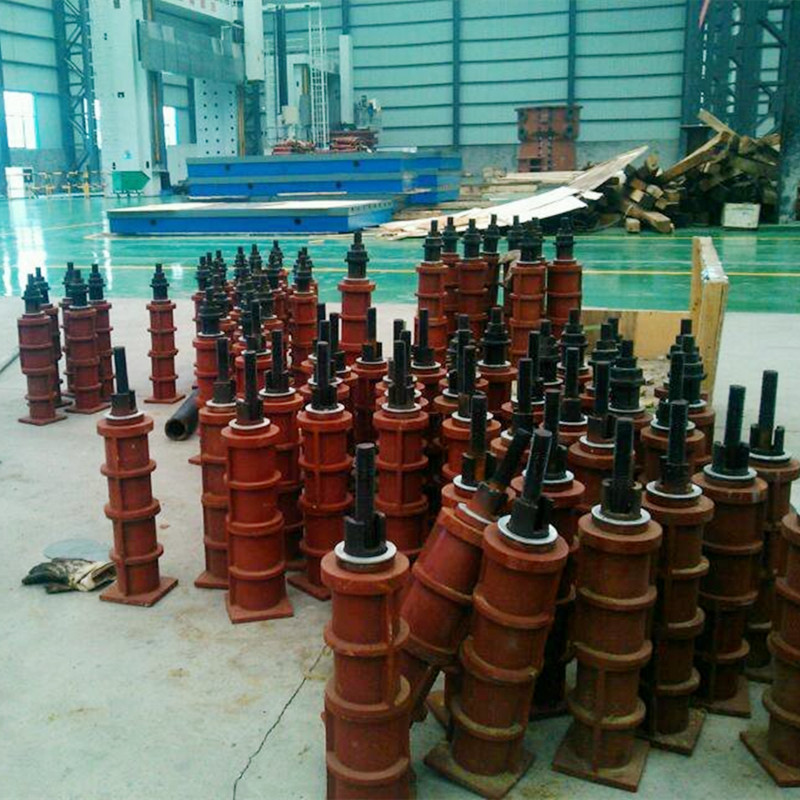
news and information
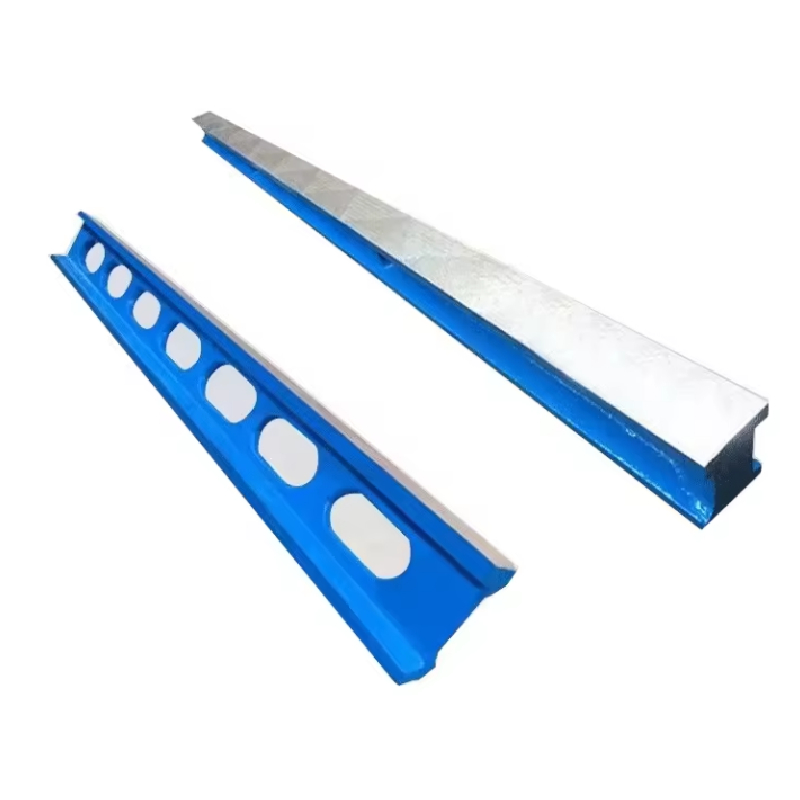
V Blocks Available for Purchase at Great Prices
V Blocks for Sale A Comprehensive Guide V blocks, also known as V-blocks or V-block clamps, are esse
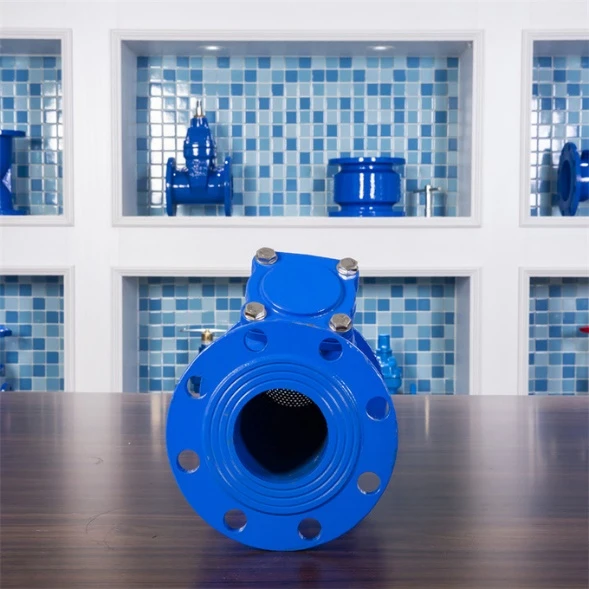
v block price
Understanding V Block Price An Overview In the ever-evolving landscape of digital currencies and bl
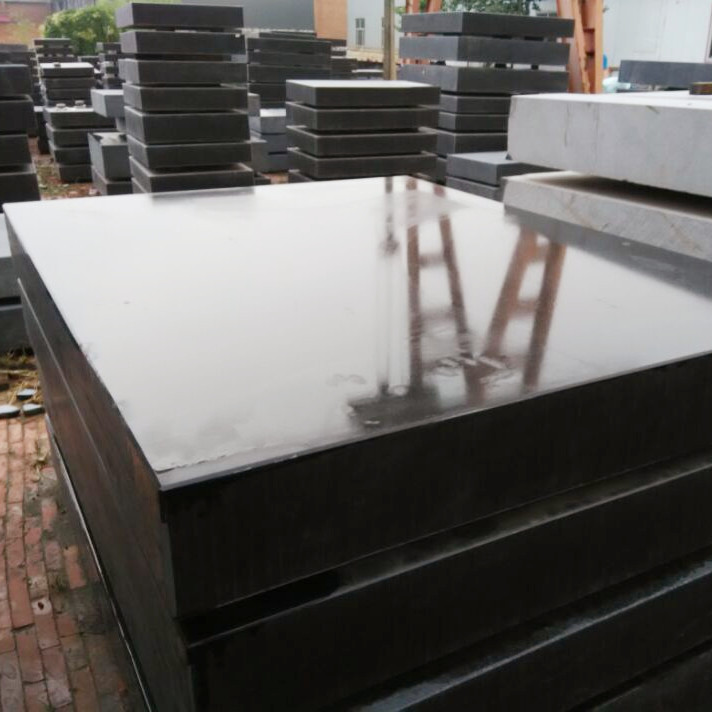
V Block Design - Innovative Modular Solutions for Modern Spaces
Understanding V-Block Design in Modern Engineering V-Block design is a pivotal concept in modern eng
 English